Building on Possibilities
Society for Science 2025 Annual Report
Progress rarely happens all at once.
More often, it is built deliberately over time by strengthening foundations, deepening trust and persistently opening doors for the next generation. Over the past year, Society for Science has deepened the ways we cover, convene and champion the scientific community. Together, these efforts mark not just growth, but a bold step forward: a year defined by building on possibilities.

Executive Publisher
Building on possibilities is rarely dramatic.
It is the work of strengthening what exists, deepening what matters and opening doors for those who come next. In 2025, that is exactly what Society for Science set out to do, and what we accomplished together.
We deepened how we tell the story of science. Science News launched a new monthly format, giving our journalists room to engage in the kind of storytelling that builds understanding rather than just headlines. Science News Explores got a bold new design to draw in the next generation of curious minds. In a world awash in misinformation, trustworthy science journalism has never mattered more, and we are proud to provide it.
We invested in young scientists and delivered results. In 2025, Society for Science awarded more than $12 million through its STEM research competitions. At the Regeneron Science Talent Search, Matteo Paz of Pasadena, Calif., won the $250,000 top award for building machine-learning algorithms that combed through 200 billion data points from NASA’s NEOWISE telescope, uncovering 1.5 million potential new cosmic objects. At the Regeneron International Science and Engineering Fair, now in its landmark 75th year, Adam Kovalčík of Dulovce, Slovakia, took the top $100,000 prize for developing a cheaper, more efficient way to produce a life-saving antiviral drug. And at the Thermo Fisher Scientific Junior Innovators Challenge, Miles Wu of New York, N.Y., won the $25,000 top award for identifying an origami-inspired folding pattern that could support more than 9,000 times its own weight. These students are our future scientists, engineers and problem-solvers, and we are proud to help shape them.
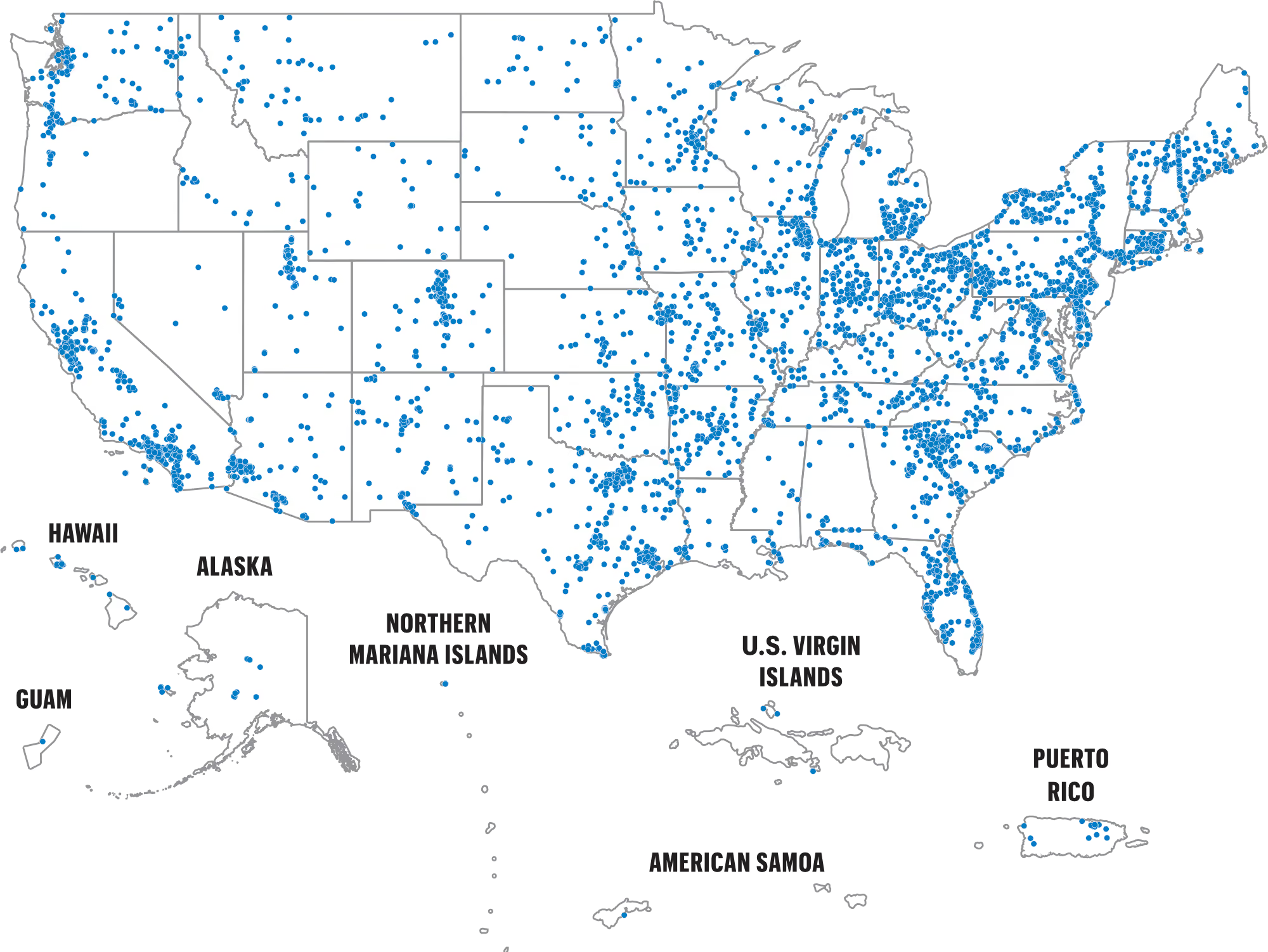
Building on possibilities also means betting on educators. Through Science News Learning, we now support a community of nearly 6,000 middle and high schools, where more than 17,000 educators use Science News and Science News Explores to bring science to life for as many as 6 million students. Our 70 Advocates — supported by funding, year-round training and mentoring — have collectively guided more than 800 students into science research, with 85% of them going on to compete in STEM competitions at the local or national level. When you invest in a great teacher, the returns are amplified many times over.
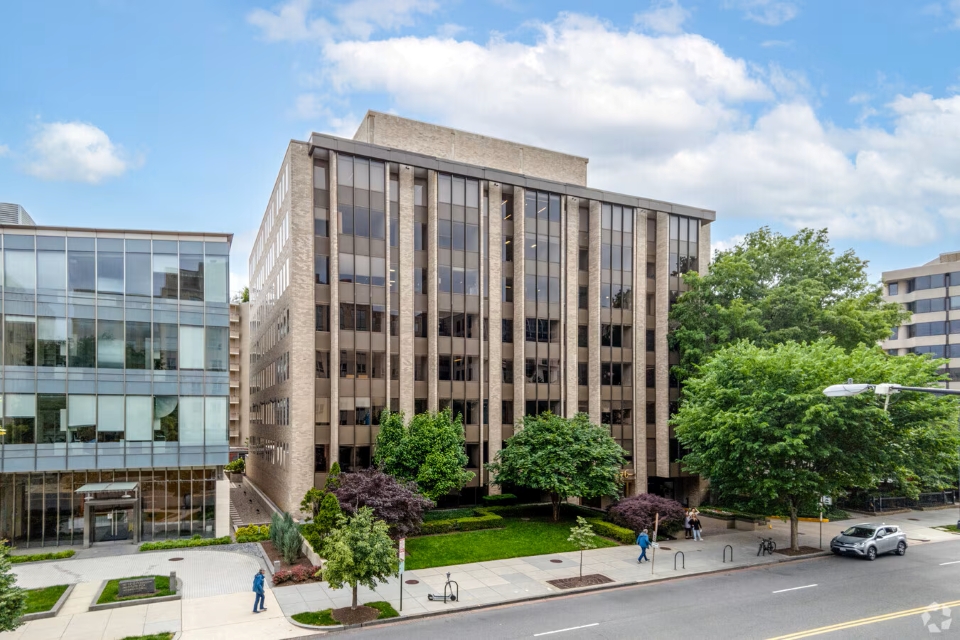
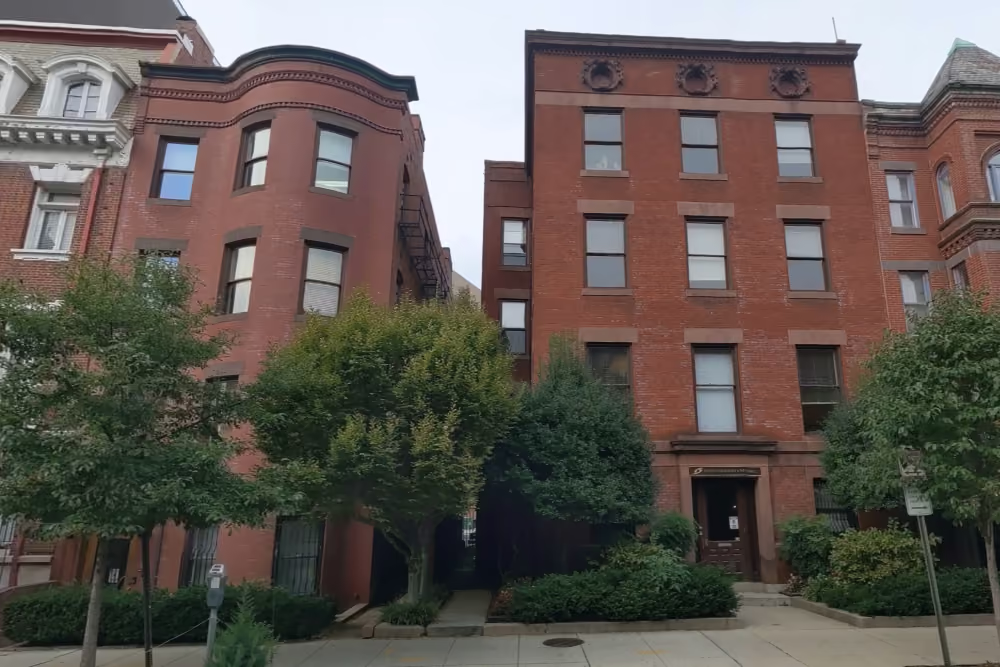
After decades spread across multiple buildings, our team came together in 2025 under one roof at our new headquarters, 1776 Massachusetts Avenue, NW, in Washington, D.C. Bringing our journalism, competitions and education teams into one home strengthens collaboration across the organization, opens new possibilities for engagement, and gives Society for Science a stronger foundation to build on for years to come.
None of this happens without you. To our sponsors, donors, board members, volunteers, educators and alumni: thank you for making possibility real. The future we are building — where science is accessible, trusted and transformative — is one we are building together.
With warm regards,

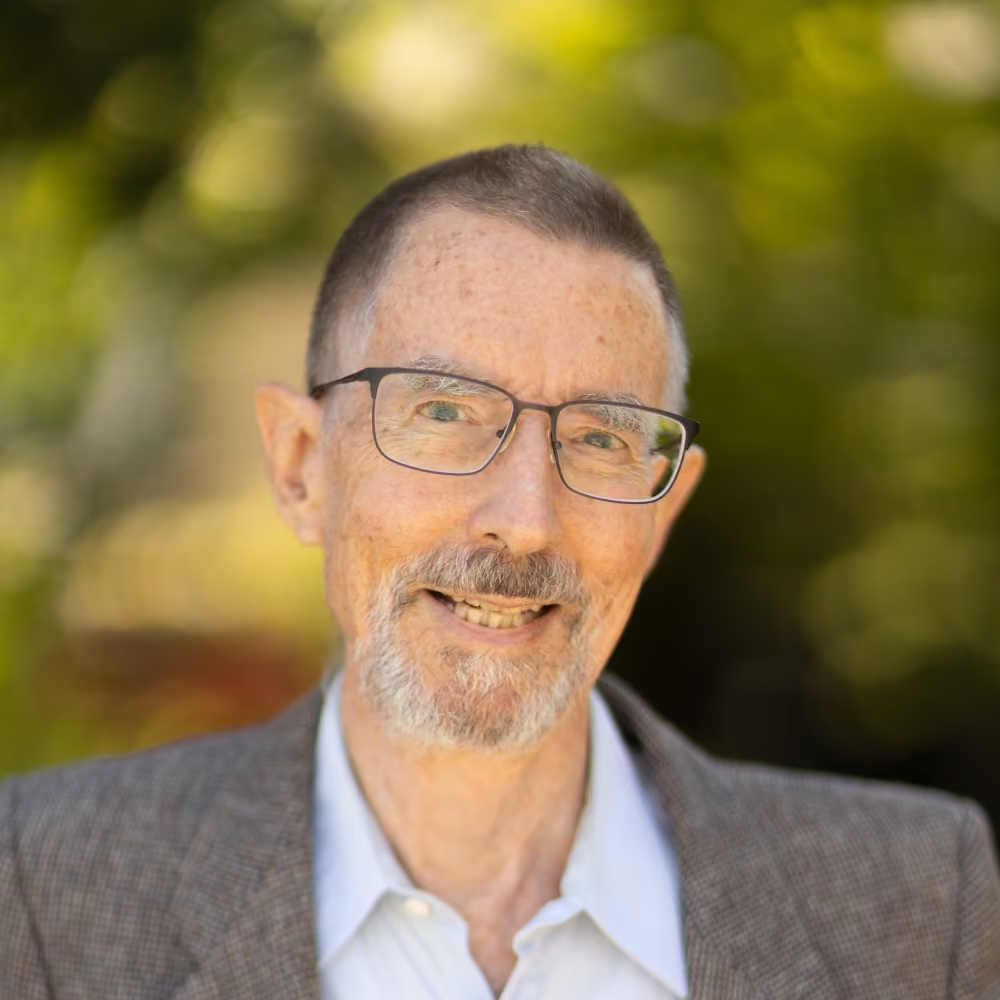
Thomas F. Rosenbaum
Chair, Board of Trustees, Society for Science
President and William A. Fowler Professor of Physics, Caltech
STS 1973

Maya Ajmera
President & CEO,
Society for Science
Executive Publisher,
Science News
STS 1985

Welcome to a Place Where Everything is Possible.
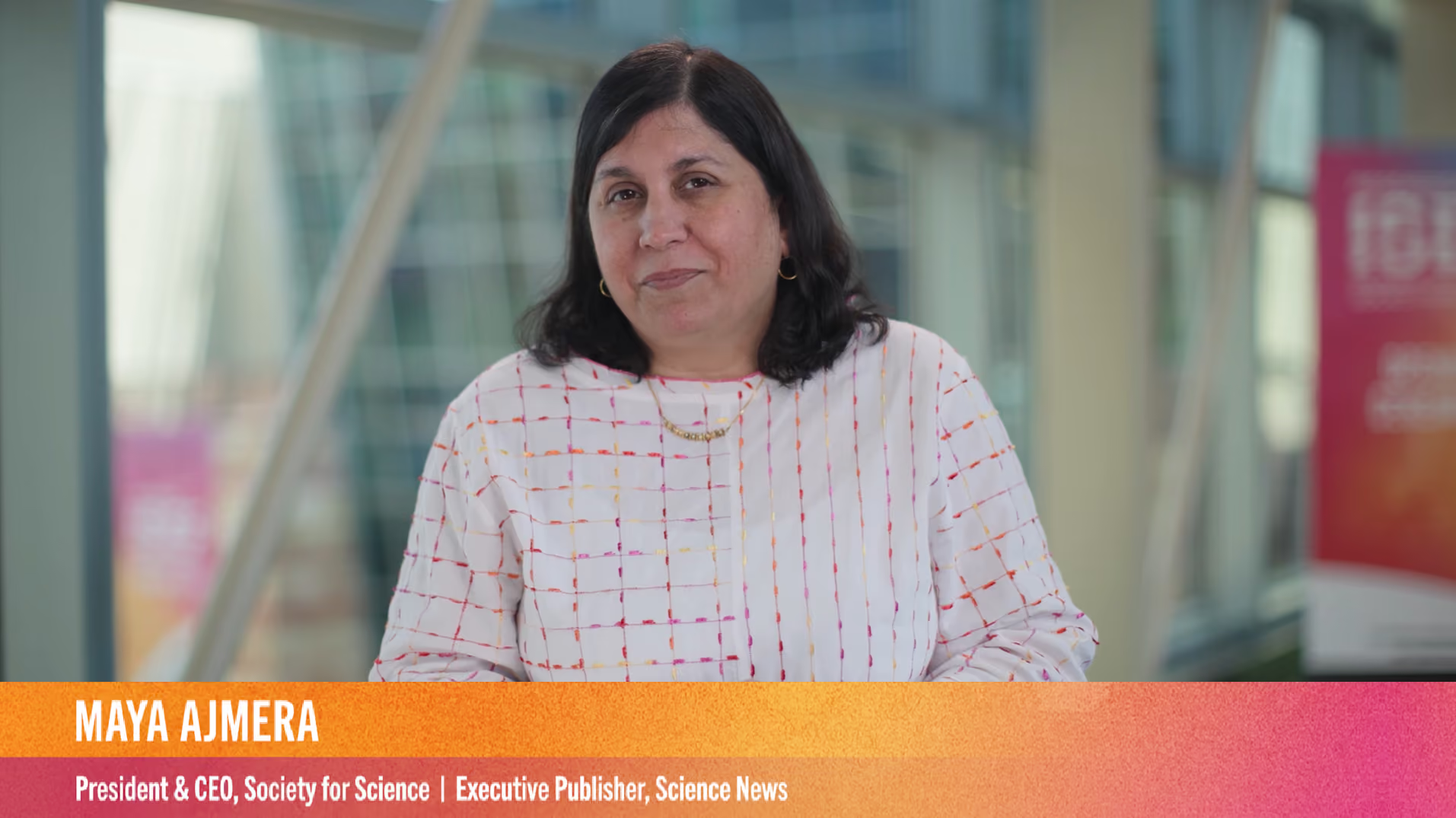
Maya Ajmera, President and CEO of Society for Science and Executive Publisher, Science News, welcomes you to our Annual Report and reflects on what it meant to build on possibilities in 2025.
.svg)

Deepening the Story of Science
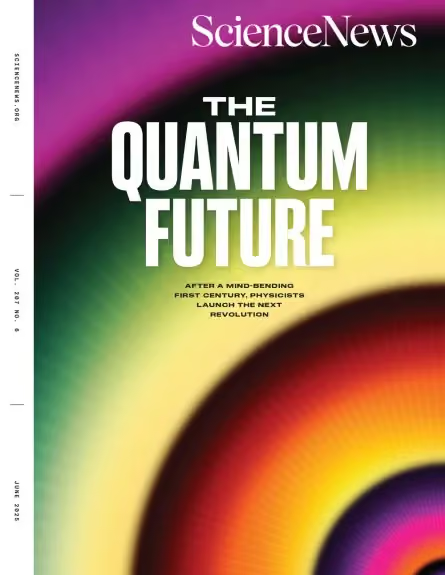
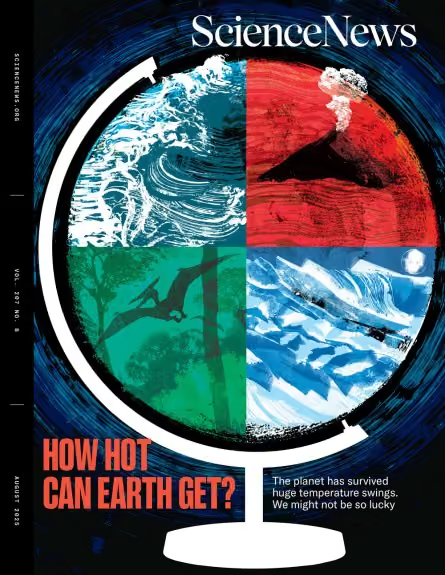
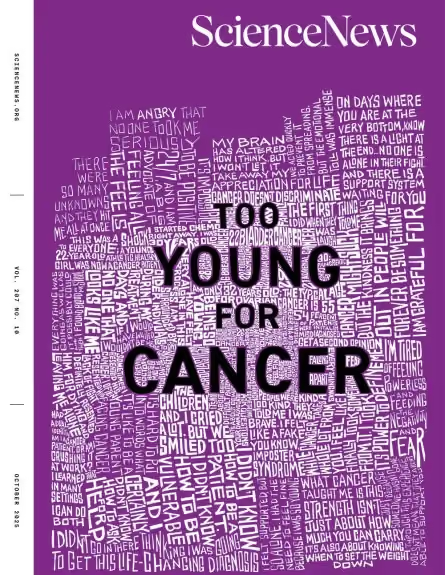
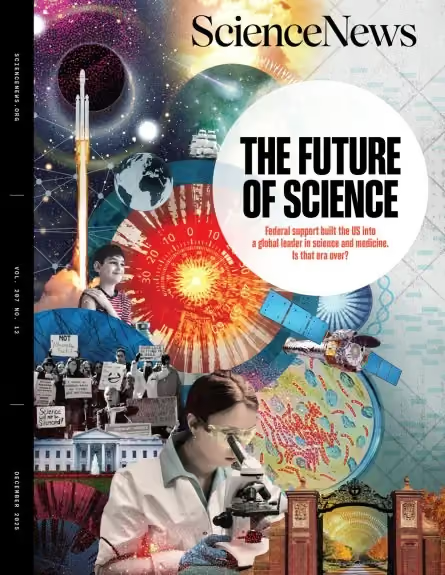
The story began with the evolution of our journalism. Science News launched 2025 with a bold new monthly magazine format, expanding each issue to allow for deeper reporting and more immersive storytelling.
Science News by the numbers


Featured Issues
The shift from biweekly to longer, more robust editions gives readers richer context and clearer insight into the discoveries shaping our world, reaffirming our commitment to trustworthy, independent science journalism at a moment when clarity and credibility matter more than ever.
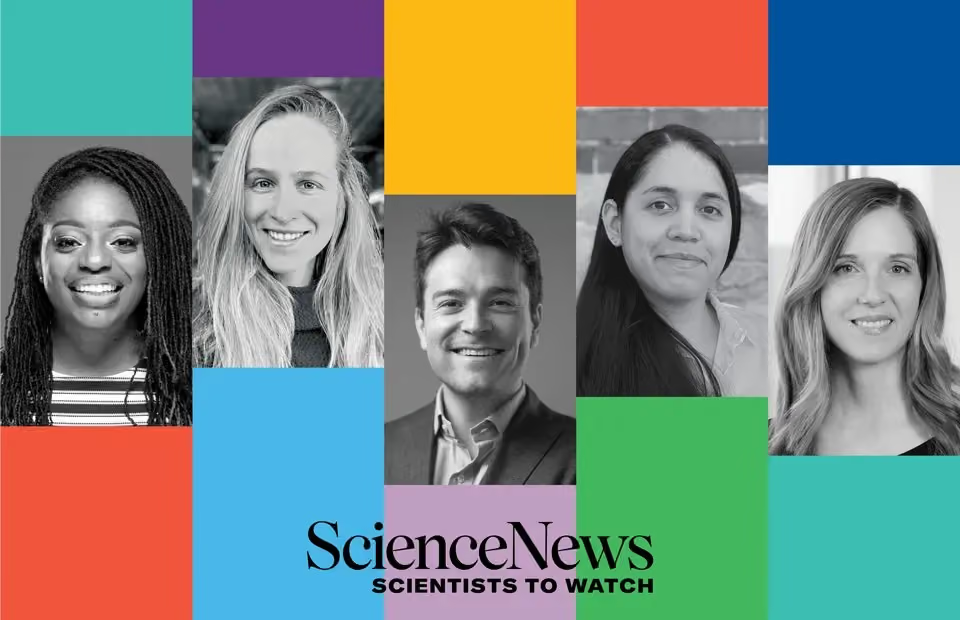
Society for Science also broadened how we tell the stories. Science News’ Scientists to Watch initiative spotlighted five boundary-pushing early- and mid-career researchers. For the first time, these in-depth written profiles were paired with video conversations. By letting audiences hear directly from these scientists in their own words, we offered a more personal and compelling window into the future of discovery.
.avif)
For Younger Audiences
Science News Explores debuted a refreshed look designed to better engage students, families and educators. Cleaner layouts, bolder visuals and a more intuitive design make complex ideas accessible and inviting, helping curious minds see themselves in science and imagine futures within it.
Science News Explores by the numbers

Big Ideas From Young Innovators
While our journalism illuminates the discoveries shaping our world, the young scientists Society for Science serves are working to one day contribute to them.

Regeneron Science Talent Search
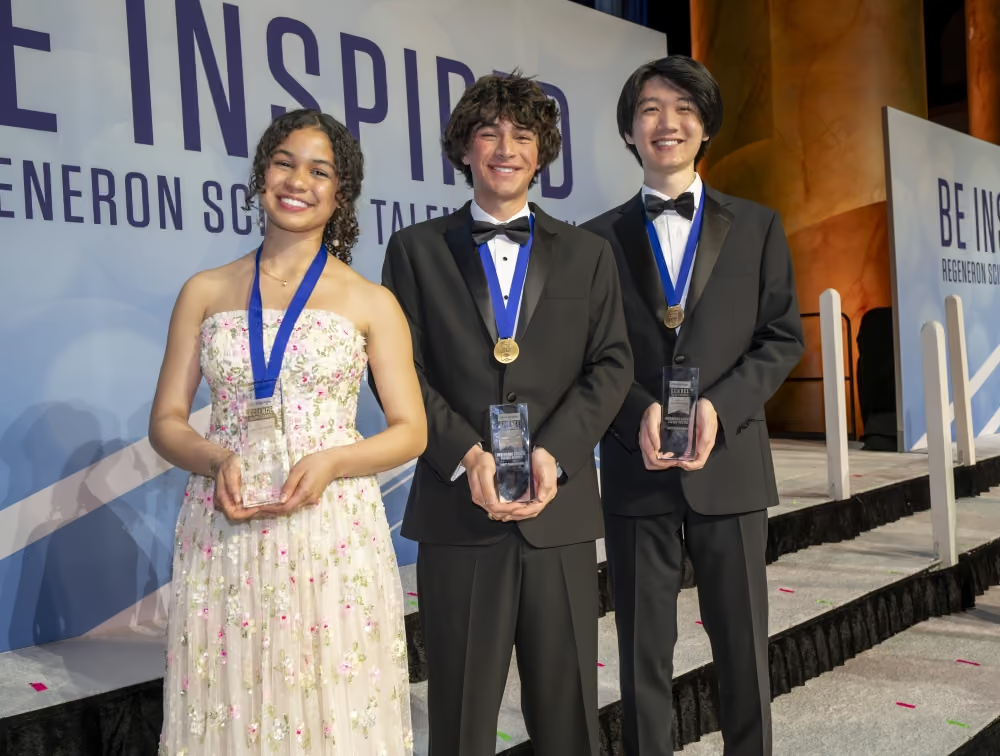
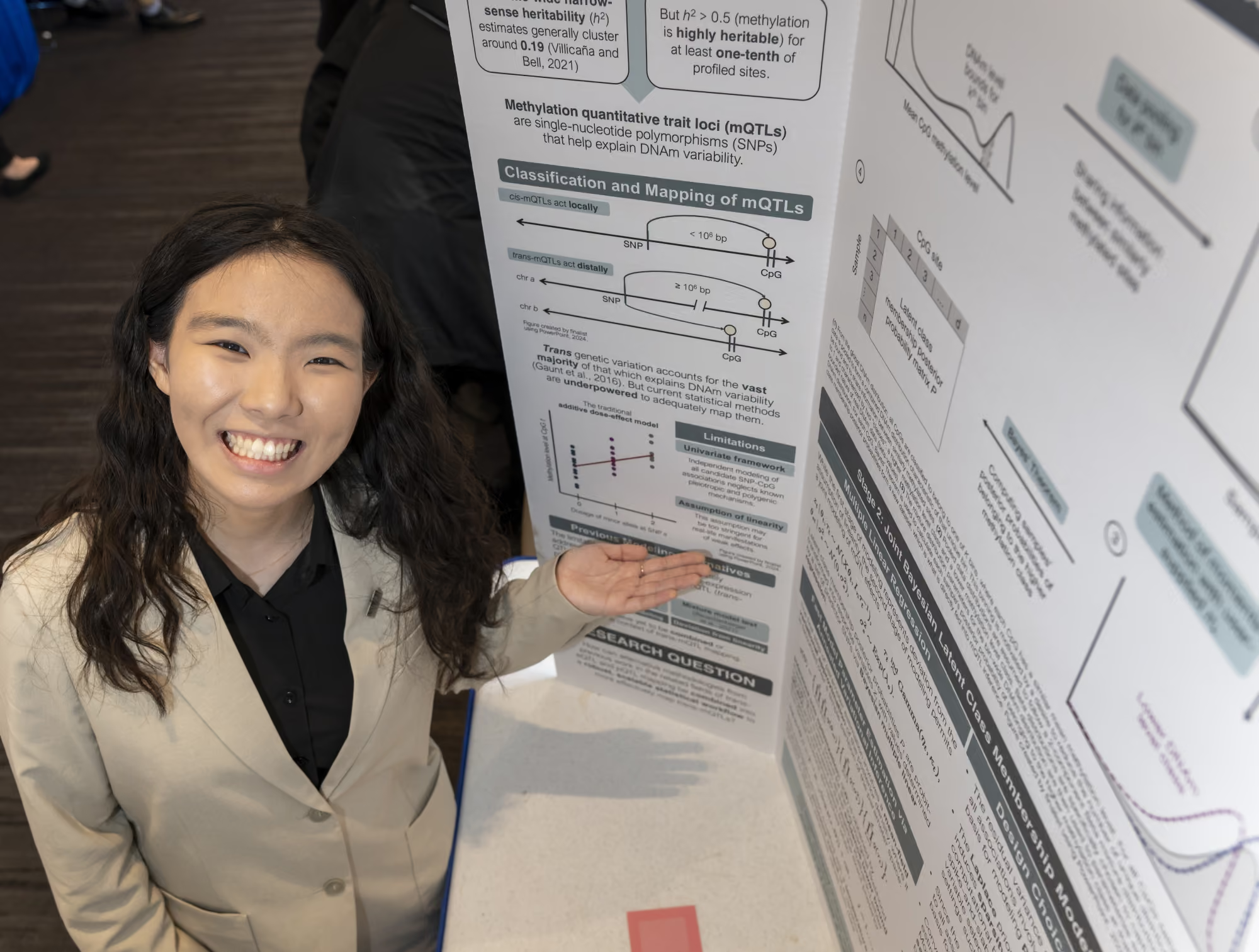
At the 84th Science Talent Search, 40 of the nation’s brightest high school seniors presented their research to leading experts and the public, each pursuing answers to some of the great questions and challenges of our time.
Regeneron STS by the numbers
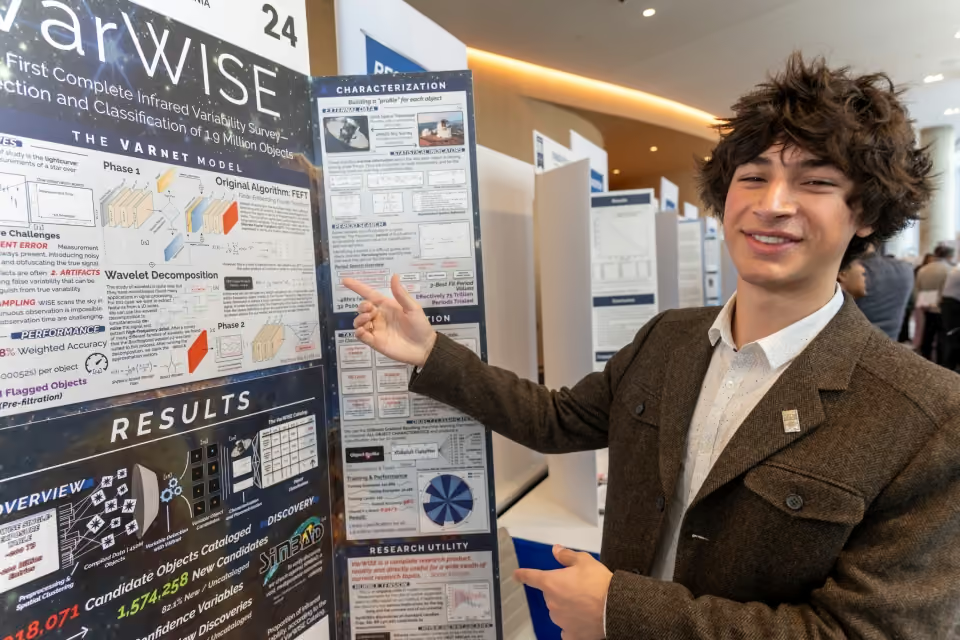
The top honor went to Matteo Paz of Pasadena, Calif. Using machine-learning algorithms to analyze 200 billion entries of infrared sky survey data from NASA's NEOWISE telescope, he identified 1.5 million potential new celestial objects, demonstrating how emerging technologies can unlock discoveries at unprecedented scale.
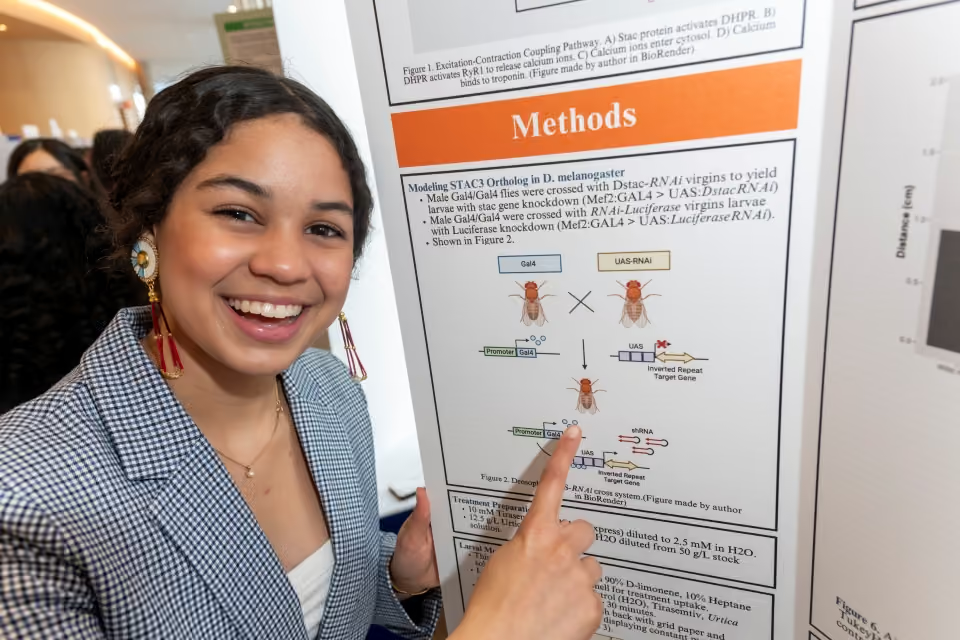
Ava Grace Cummings of Smithfield, N.C., won second place for creating a fruit fly model of STAC3 disorder, or Native American myopathy (a rare genetic muscle disease). She found that the common nettle herb, alone or combined with the experimental drug Tirasemtiv, improved movement in both adult flies and larvae.
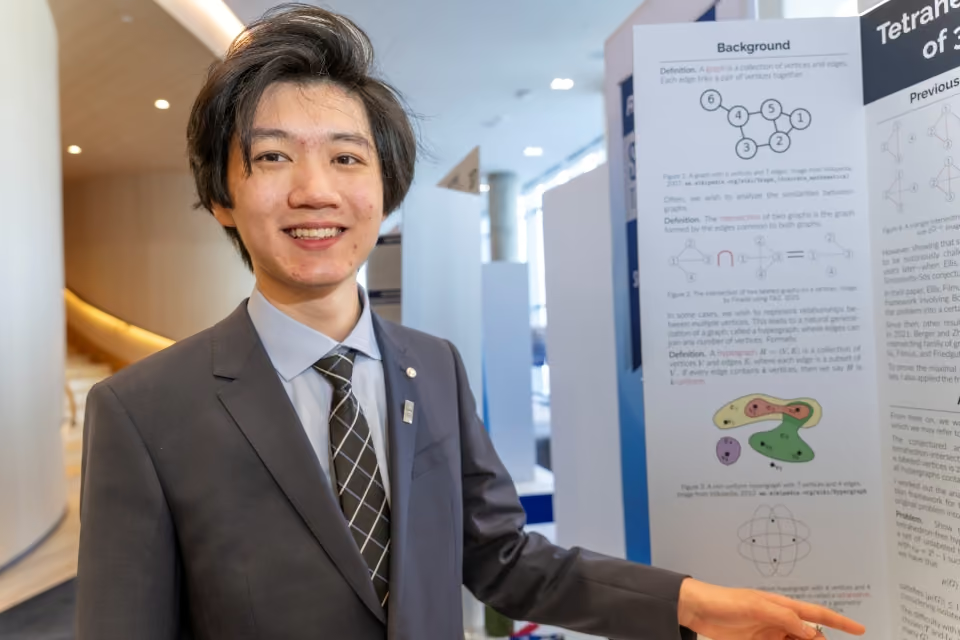
Owen Jianwen Zhang of Bellevue, Wash., won third place for solving a long-standing math problem about objects called 3-uniform hypergraphs. He proved a maximum value for how many 3-uniform hypergraphs can have similar structures but differing connections. Owen’s results have applications in computer science.
Regeneron STS 2025 highlights
Take a look back at the top moments from Regeneron STS 2025 in our highlights video
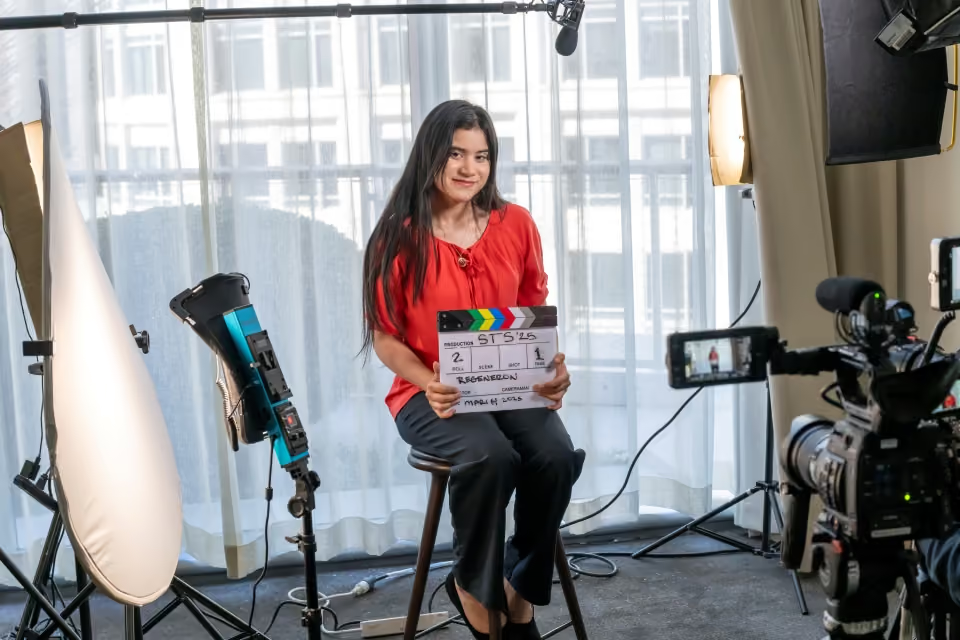
Regeneron STS finalists create impact through AI innovations
As emerging AI trends continue to transform facets of our everyday lives, Regeneron STS finalists are at the forefront of shaping these technologies.

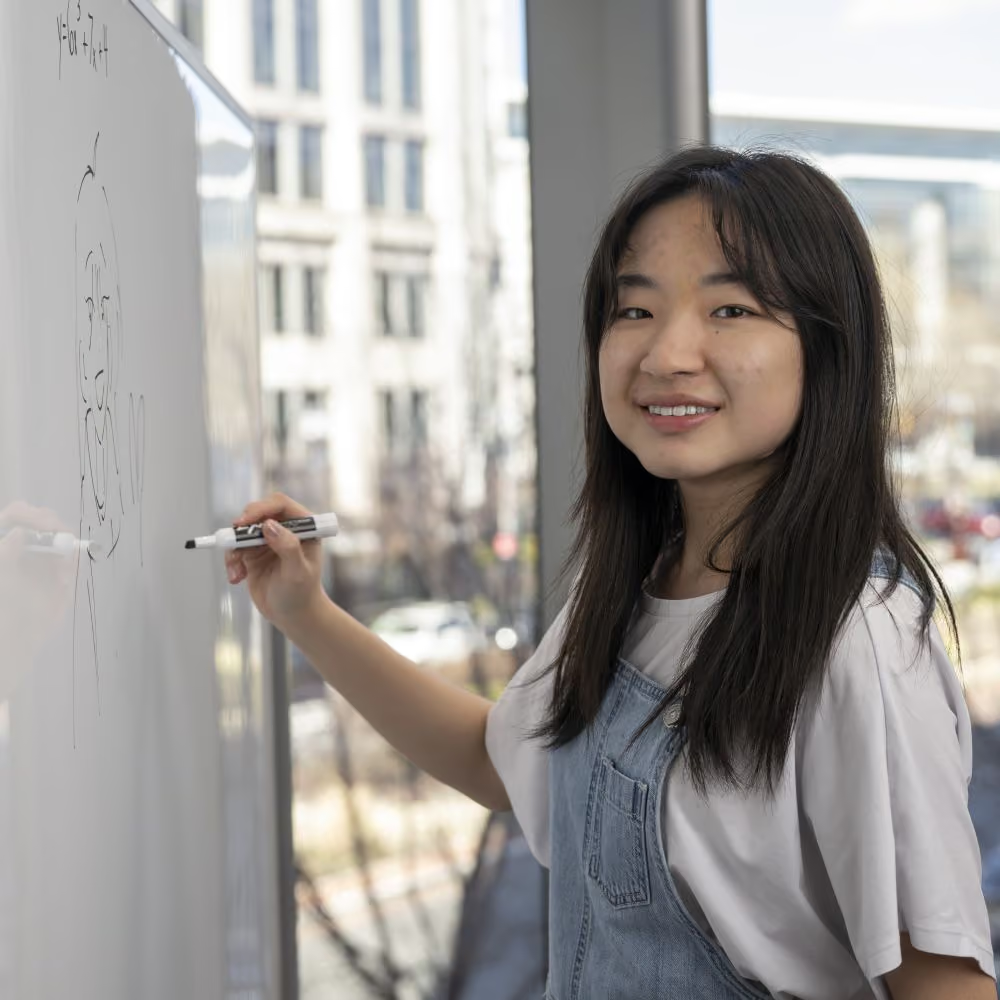
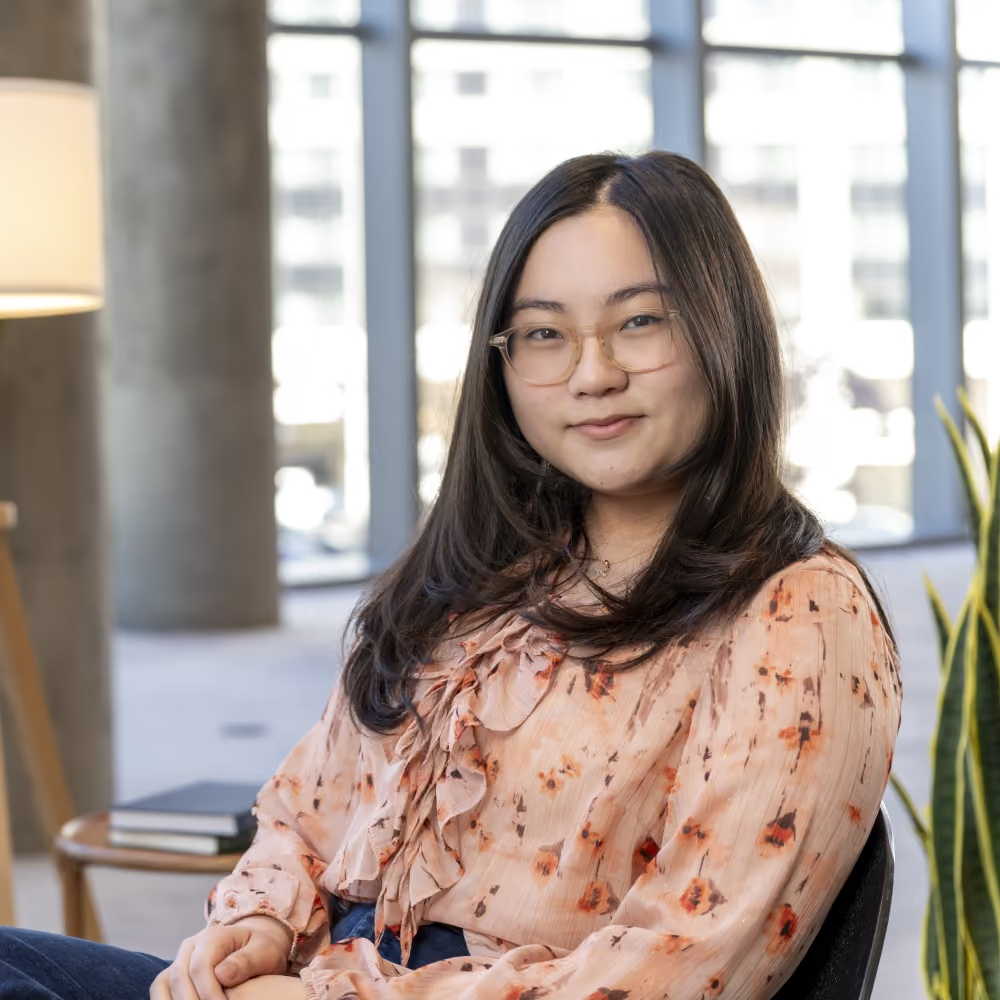
In the news: This 17-year-old scientist is making an acetaminophen alternative that is less damaging to the liver
Smithsonian Magazine shared the story of how Regeneron STS finalist Chloe Lee is combating the devastating effects of acetaminophen toxicity through her research.

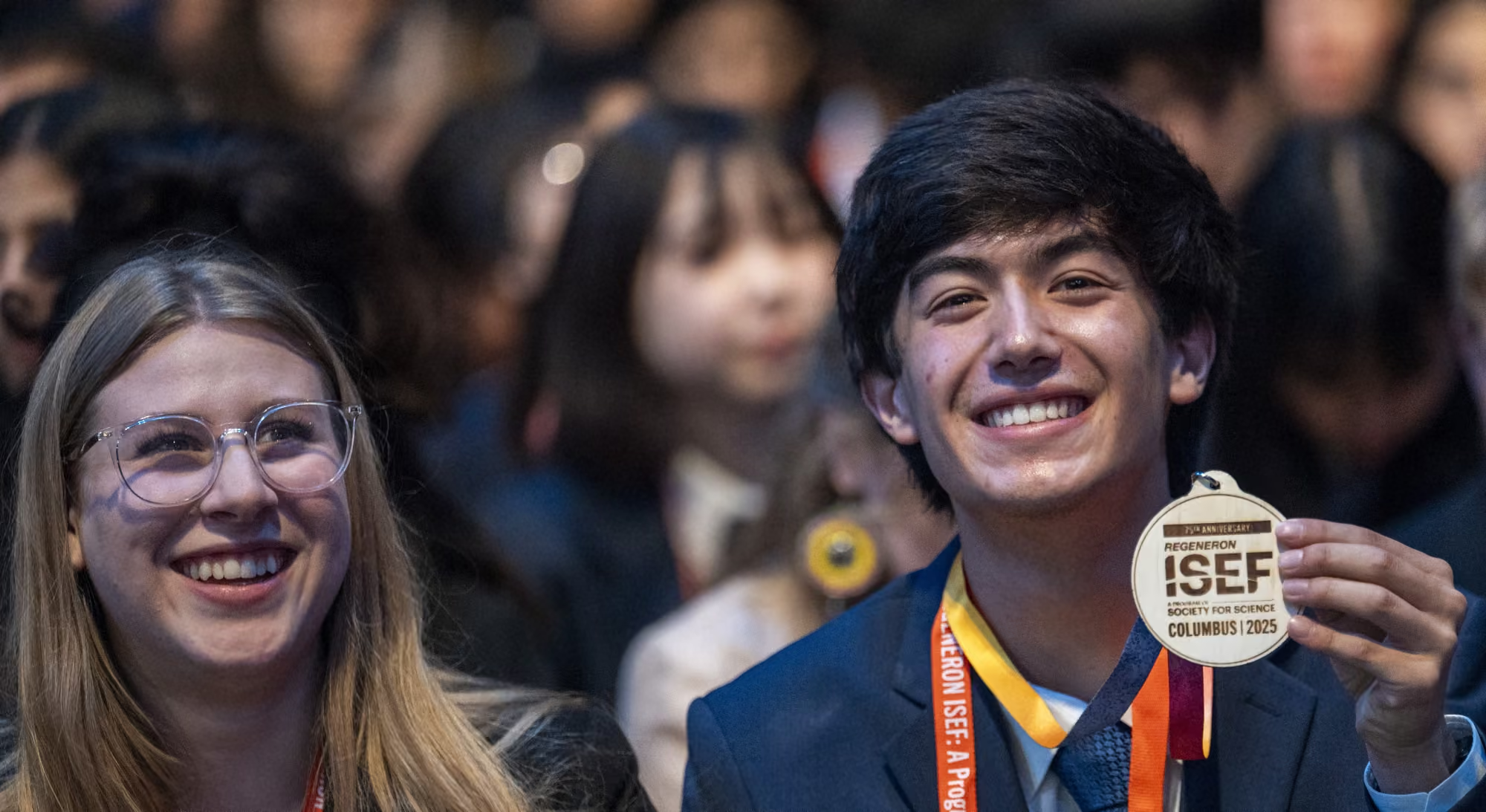
Global innovation shone just as brightly at the Regeneron International Science and Engineering Fair
Regeneron International Science and Engineering Fair
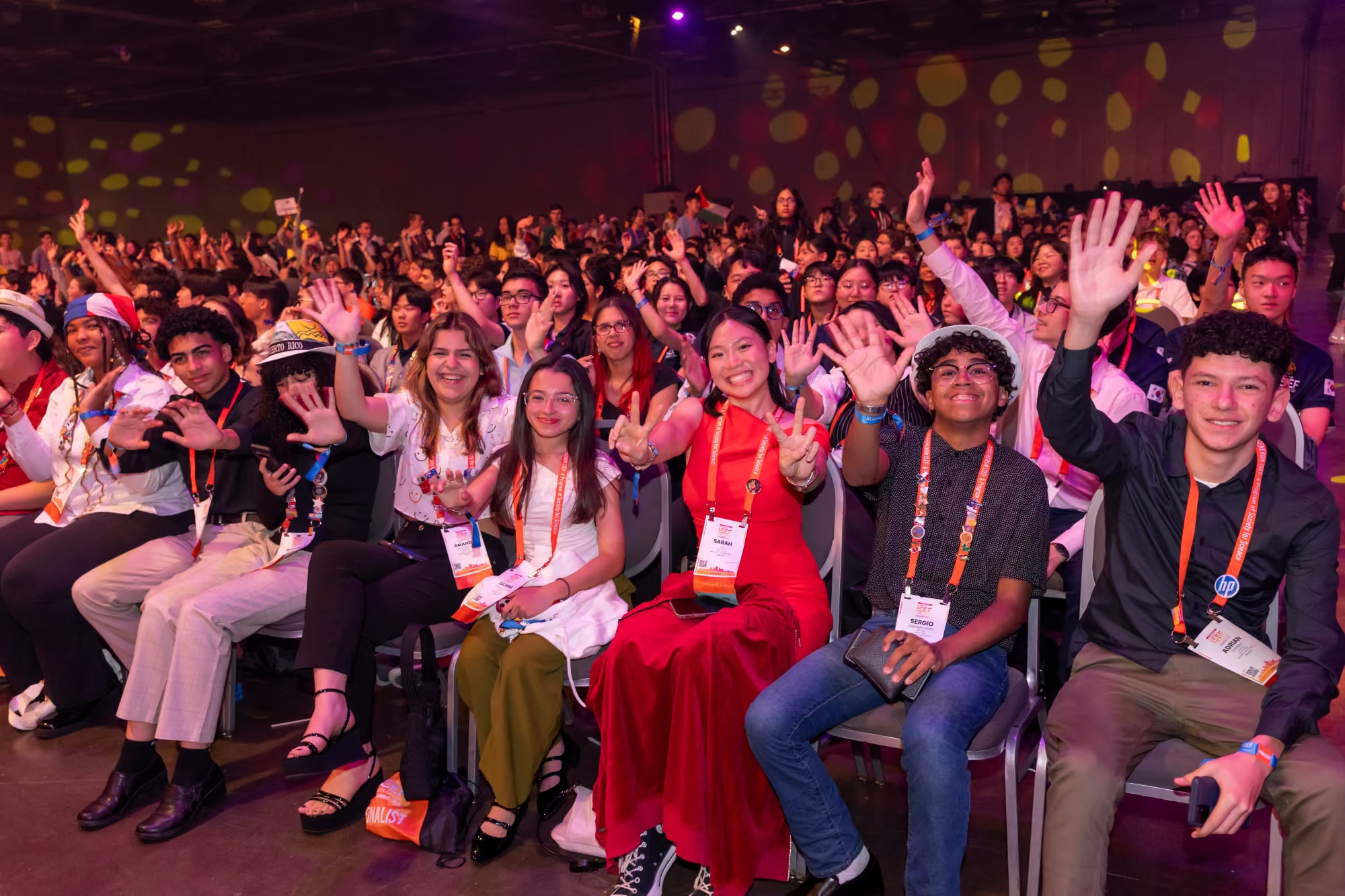
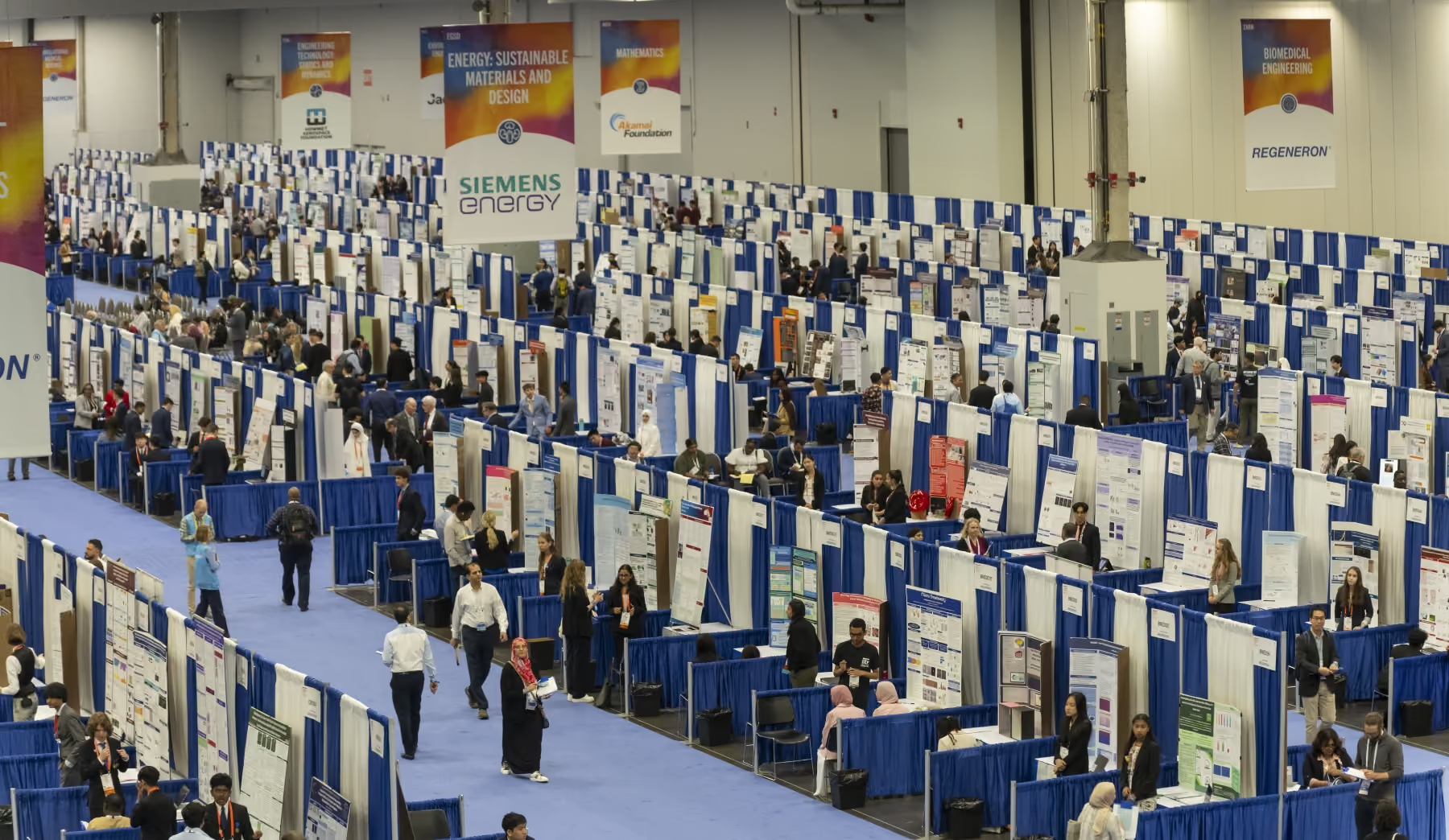
Nearly 1,700 young scientists representing 49 U.S. states and more than 60 countries, regions and territories competed at Regeneron ISEF, the world’s largest pre-college STEM competition, in Columbus, Ohio.
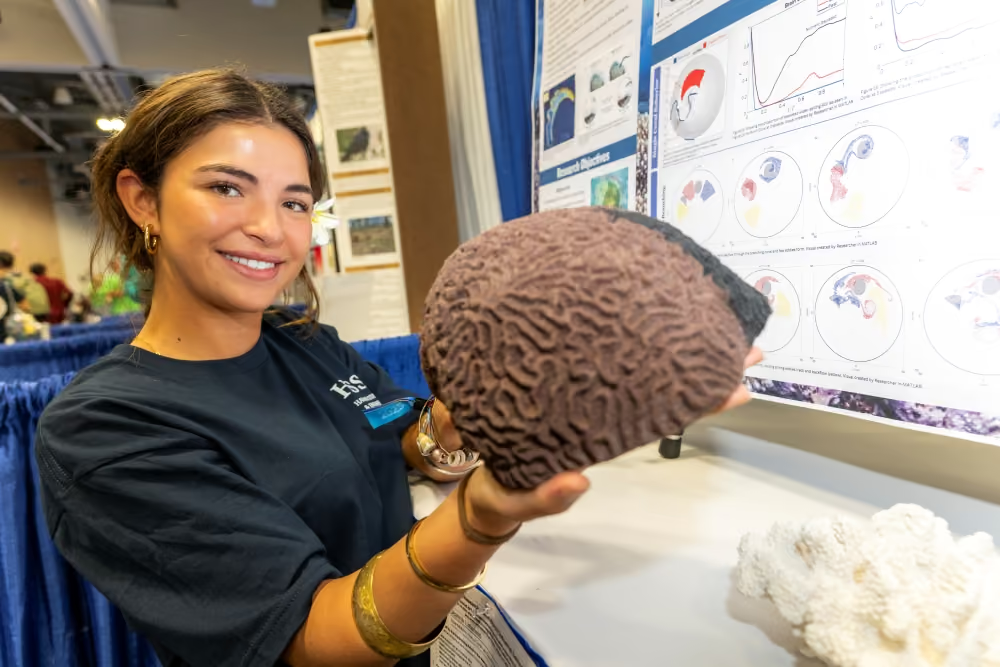
Regeneron ISEF by the numbers
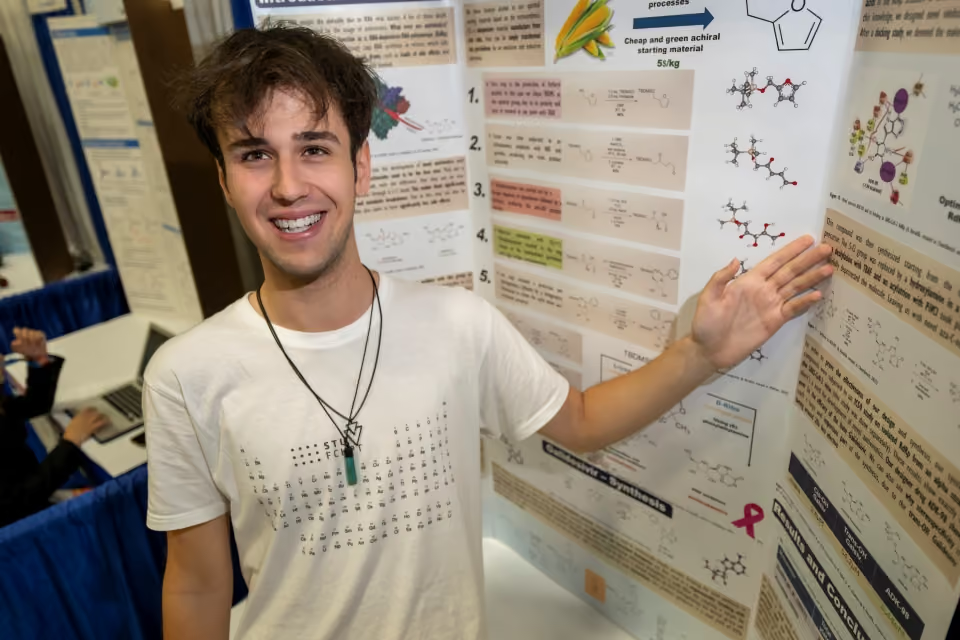
Adam Kovalčík of Dulovce, Slovakia, earned the George D. Yancopoulos Innovator Award for developing a novel method to produce the investigational antiviral drug galidesivir, which may be effective against a broad spectrum of viruses.
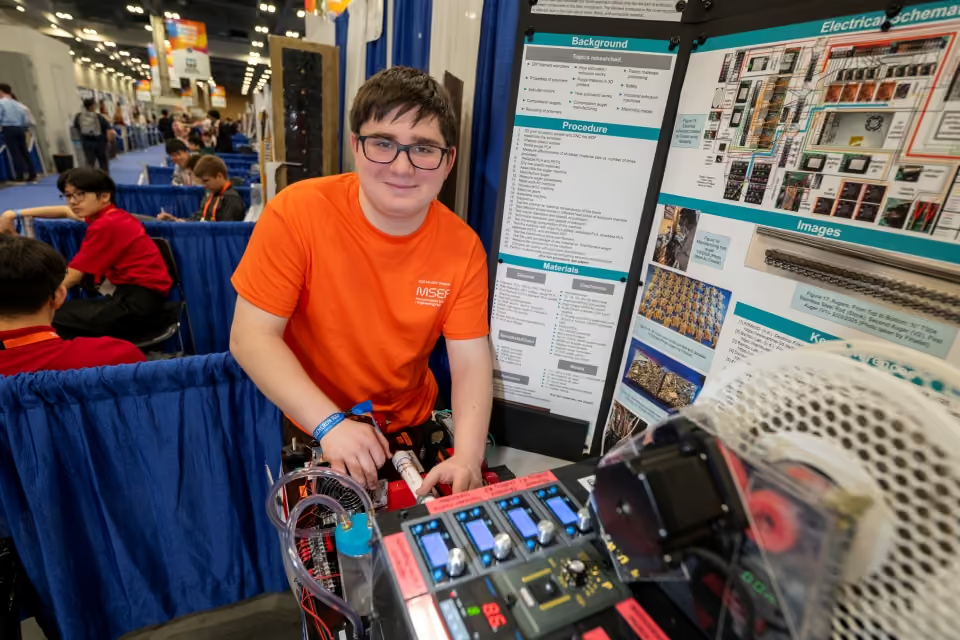
Benjamin Davis, of Wrentham, Mass., received one of two Regeneron Young Scientist Awards for creating a user-friendly system that can recycle 3D printer waste and other plastics. His device is faster than other home recyclers and creates a higher quality product.
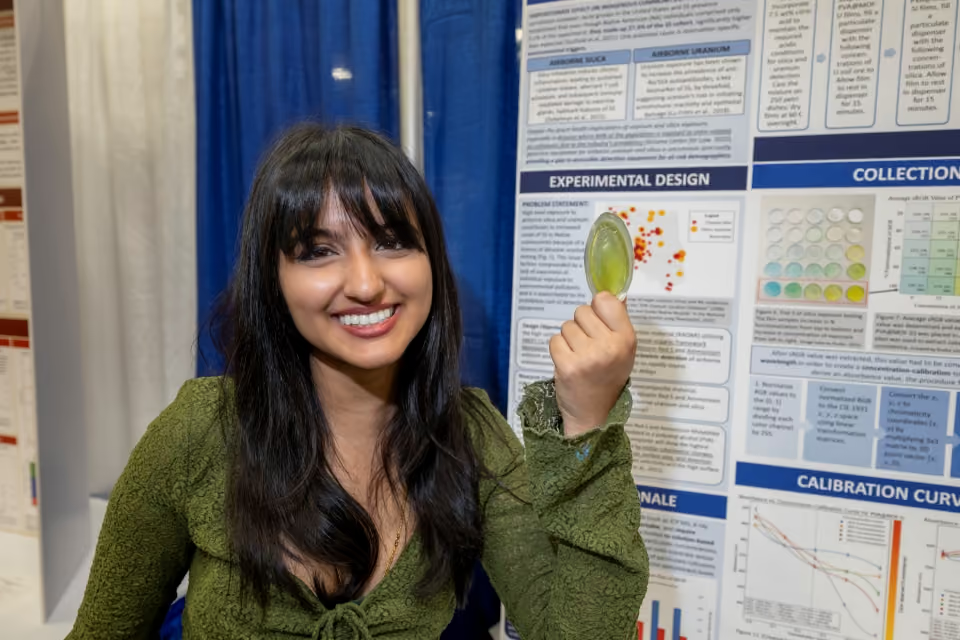
Siyaa R. Poddar of Chandler, Ariz., received the second Regeneron Young Scientist Award for building a device that rapidly detects toxic dusts, such as toxic silica and uranium dusts from abandoned mines that create public health challenges in the U.S. Southwest.
In the news: Regeneron ISEF finalists build lifelong bond and a prosthetic leg
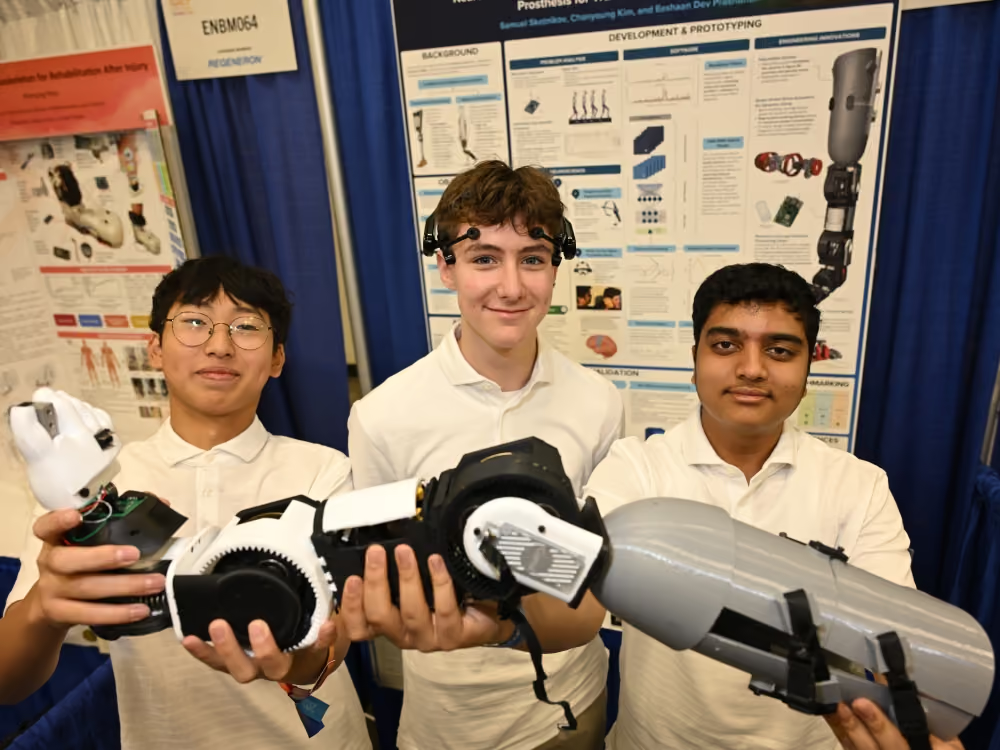
CBS News shared the story of Regeneron ISEF finalists Samuel Skotnikov, Chanyoung Kim and Eeshaan Prashanth, who created a brain-controlled bionic prosthetic leg to help their friend Aiden Ballinger walk. They were awarded the Gordon E. Moore Award for Positive Outcomes for Future Generations for their research.
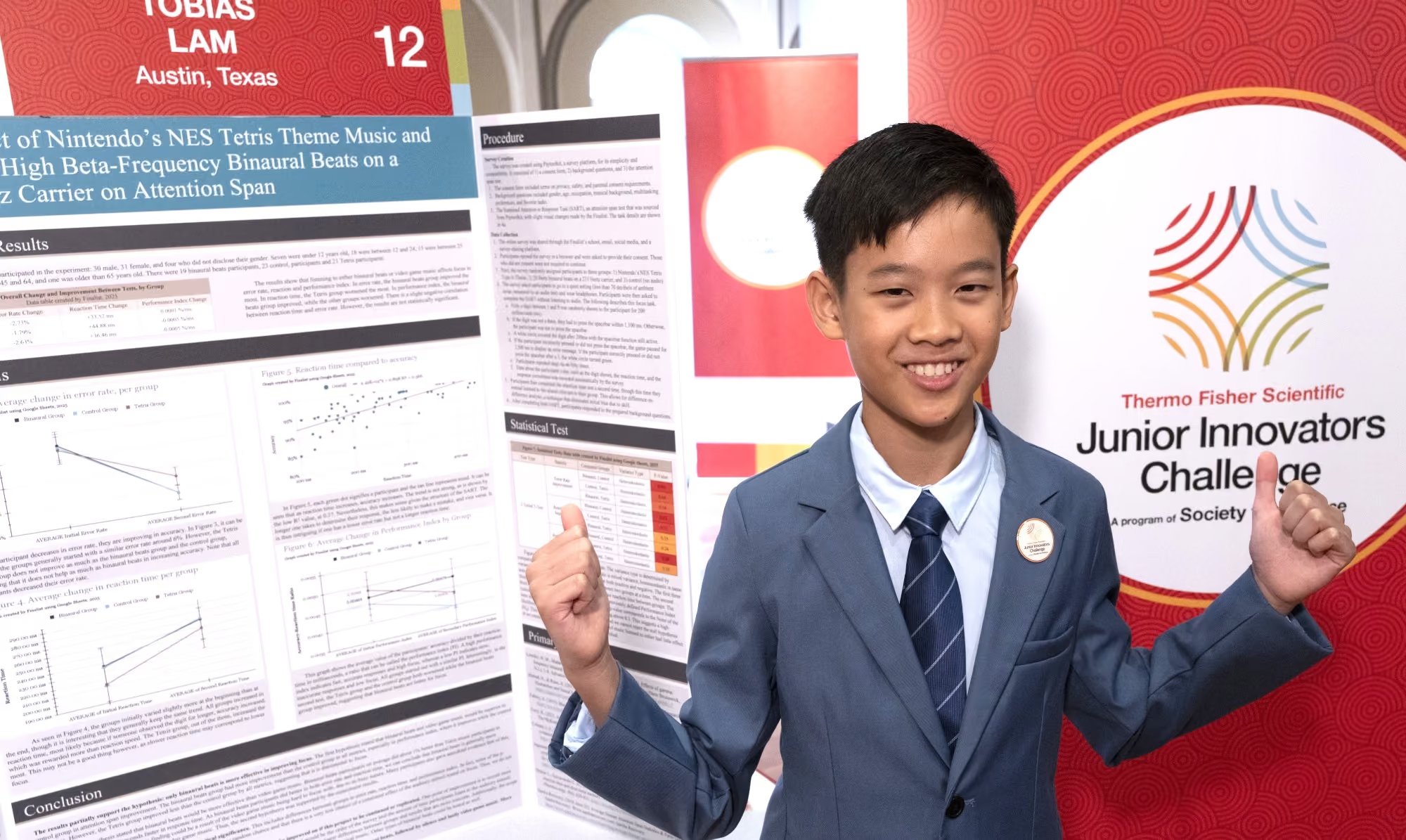
And at the Thermo Fisher Scientific Junior Innovators Challenge, middle school students from across the nation offered a glimpse into the future of scientific progress and collaboration
Thermo Fisher Scientific Junior Innovators Challenge
The nation’s leading STEM competition for middle school students welcomed 30 brilliant young scientists to Washington, D.C., for a week of immersive team-based challenges.
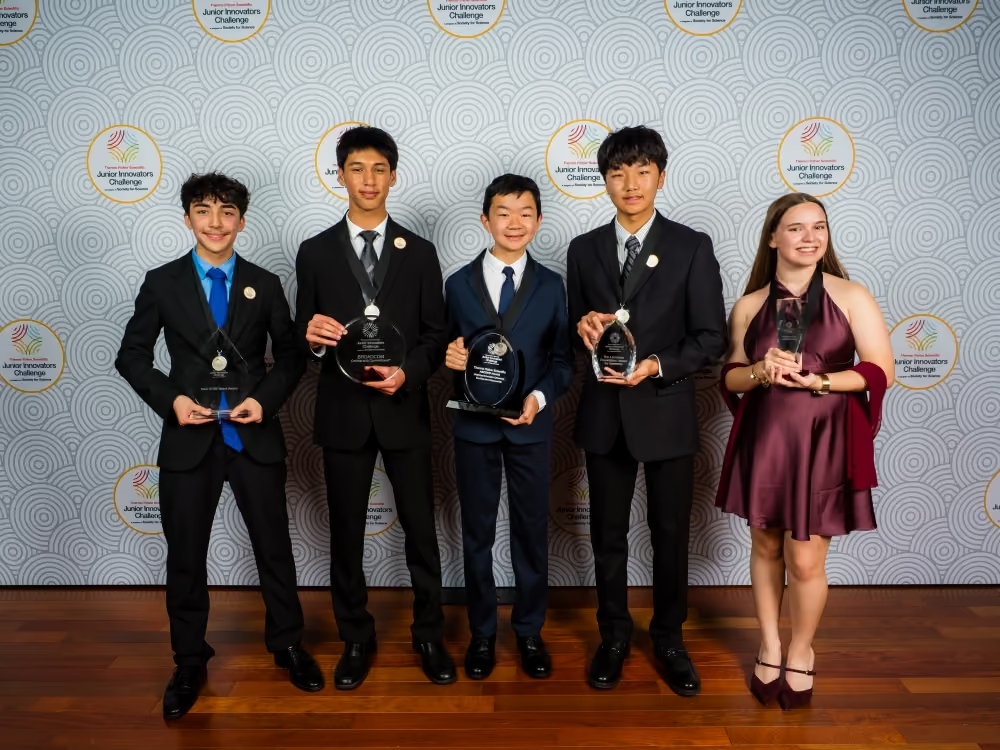
Thermo Fisher JIC by the numbers
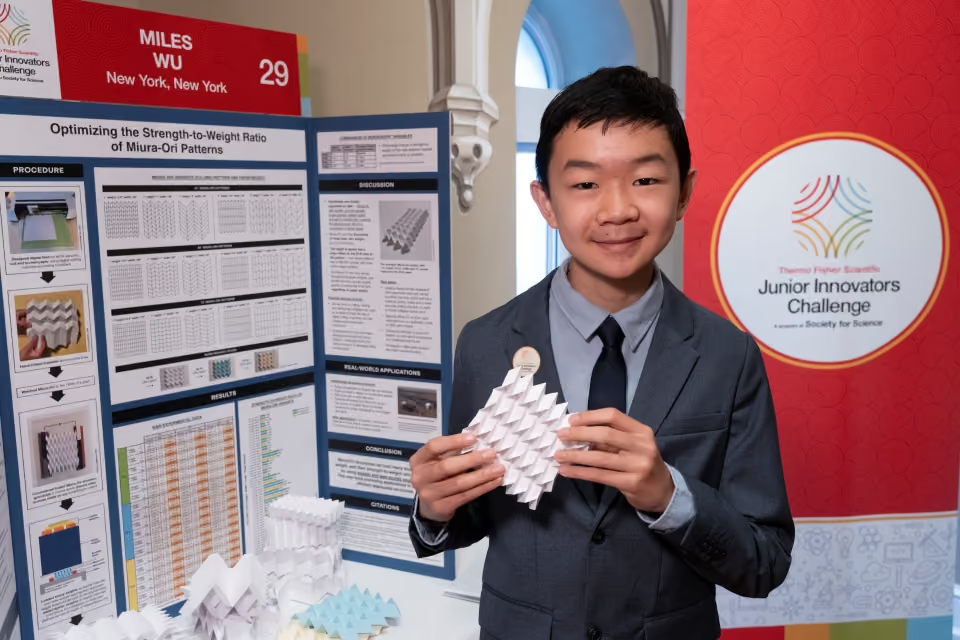
Miles Wu of New York, N.Y., won the top prize, the ASCEND (Aspiring Scientists Cultivating Exciting New Discoveries) Award. His research applied principles inspired by origami engineering to design structures that are both strong and resilient, work that could one day inform lightweight emergency shelters.
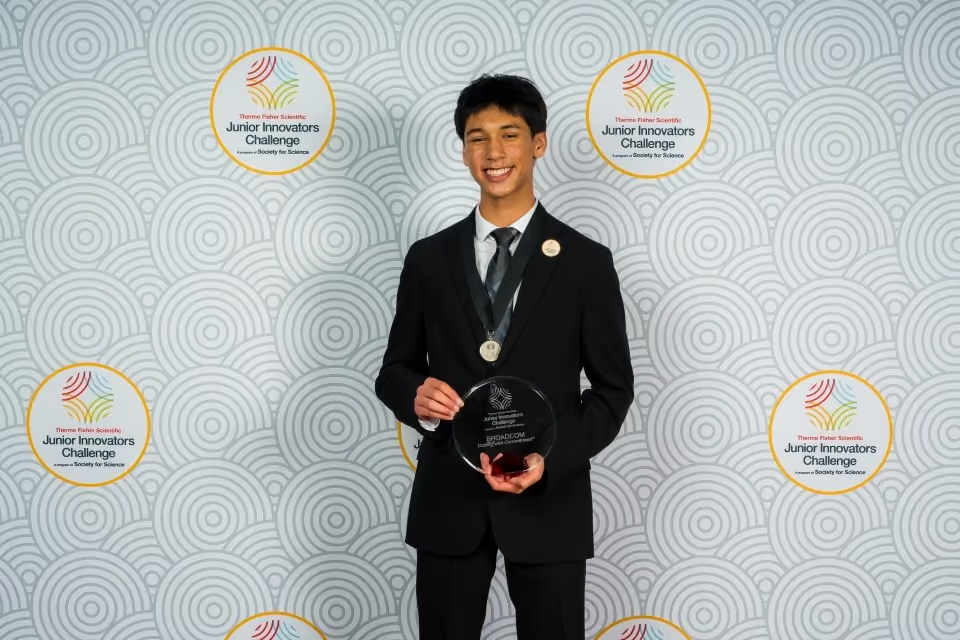
Akhil Nagori of Santa Clara, Calif., worked on a team with fellow finalists Evann Sun and Lucas Yen to develop an inexpensive pair of glasses that can translate text to speech, helping visually impaired students have wide access to reading materials.
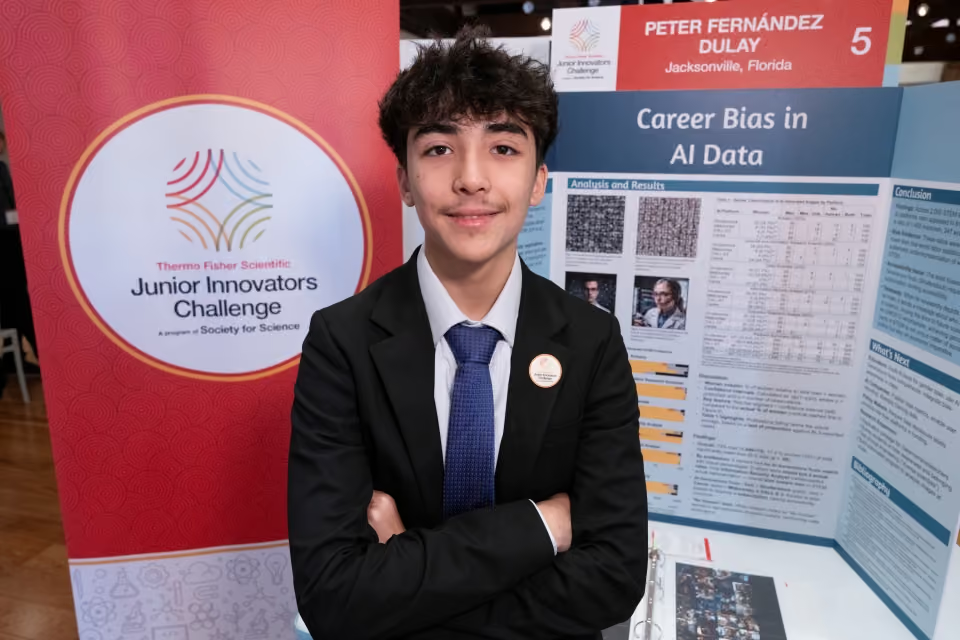
Peter Fernández Dulay of Jacksonville, Fla., demonstrated how image-generating AI platforms can perpetuate gender stereotypes.
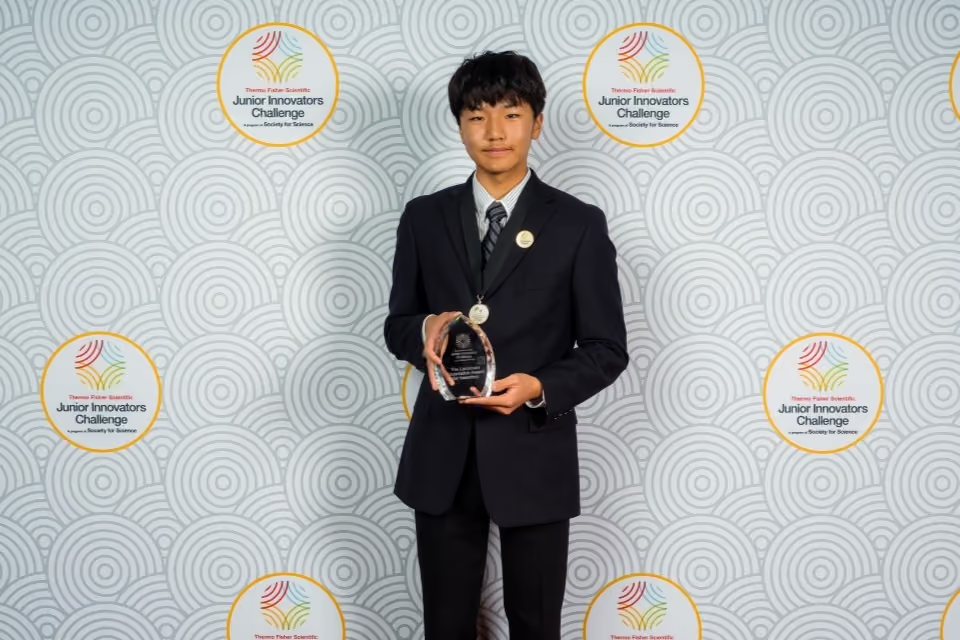
Evann Sun of Santa Clara, Calif., worked on the team with Akhil and Lucas to develop a pair of glasses to help visually impaired students access reading materials.
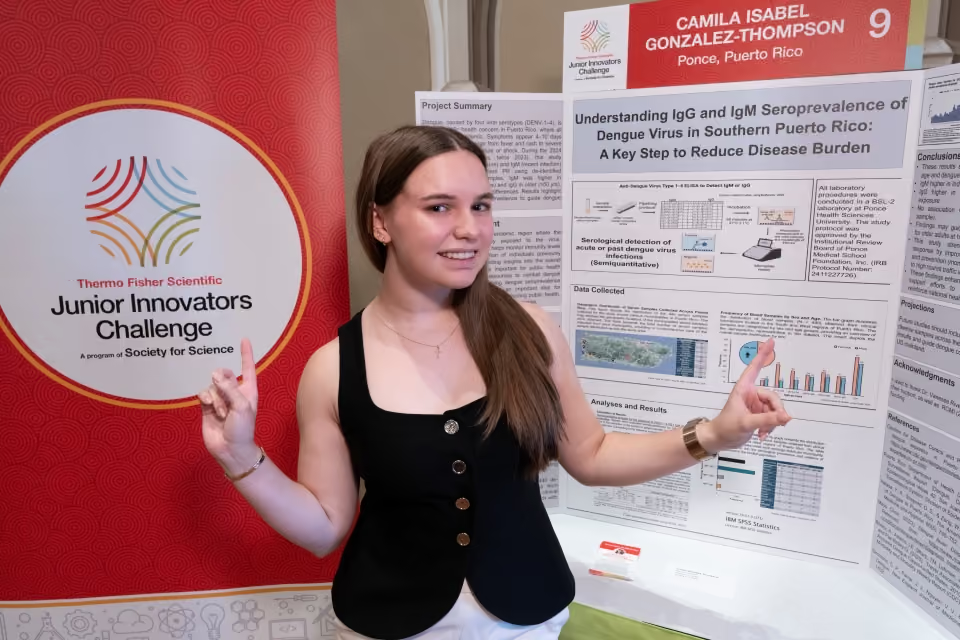
Camila Isabel González-Thompson of Ponce, Puerto Rico, showed that the dengue virus is endemic to Puerto Rico, which may help public health officials target interventions.
Thermo Fisher JIC 2025 highlights
See what the finalists encountered during their week in Washington, D.C.
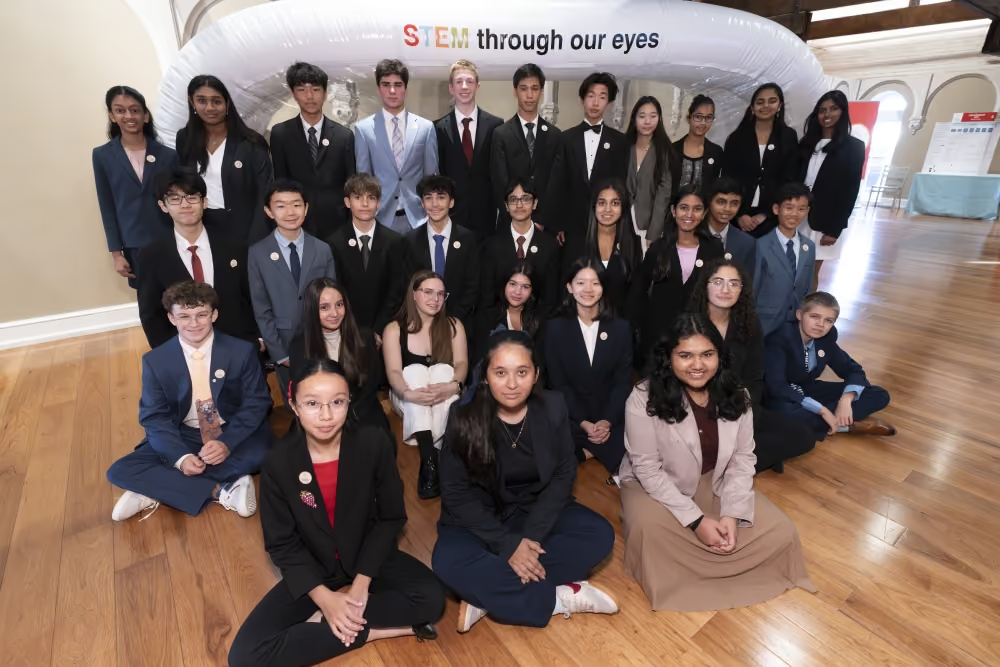
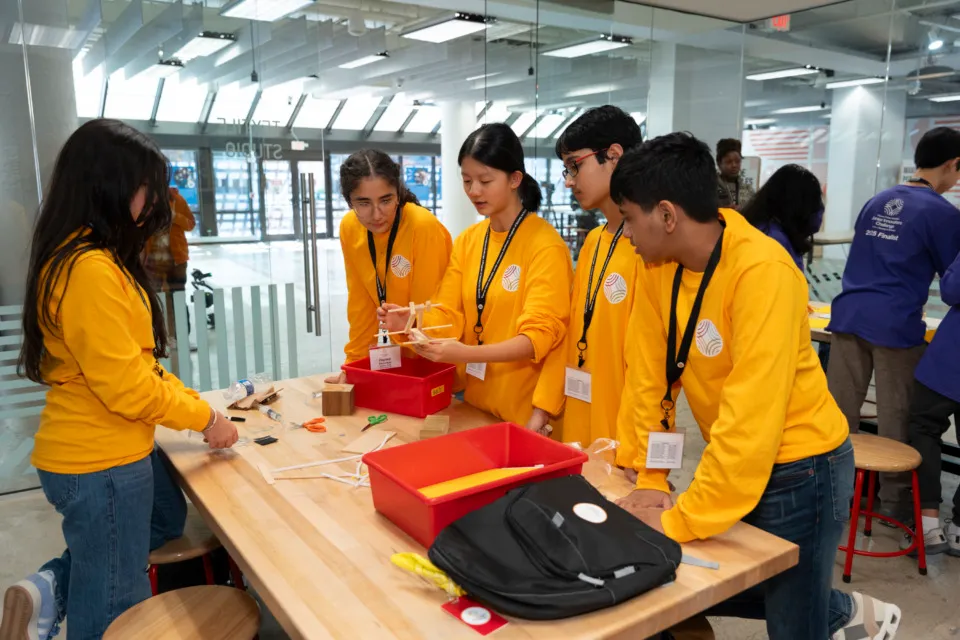
Thermo Fisher JIC finalists explore biomimicry with SERC
One of their team challenges saw the finalists take on a marine-inspired engineering project, facilitated by the Smithsonian Environmental Research Center.
Together, these students exemplify how bold ideas, nurtured early, can address real-world challenges

Strengthening Trust and Integrity
Ensuring that every student competes on a level playing field is as important as the competitions themselves.

Investing in Classrooms and Communities
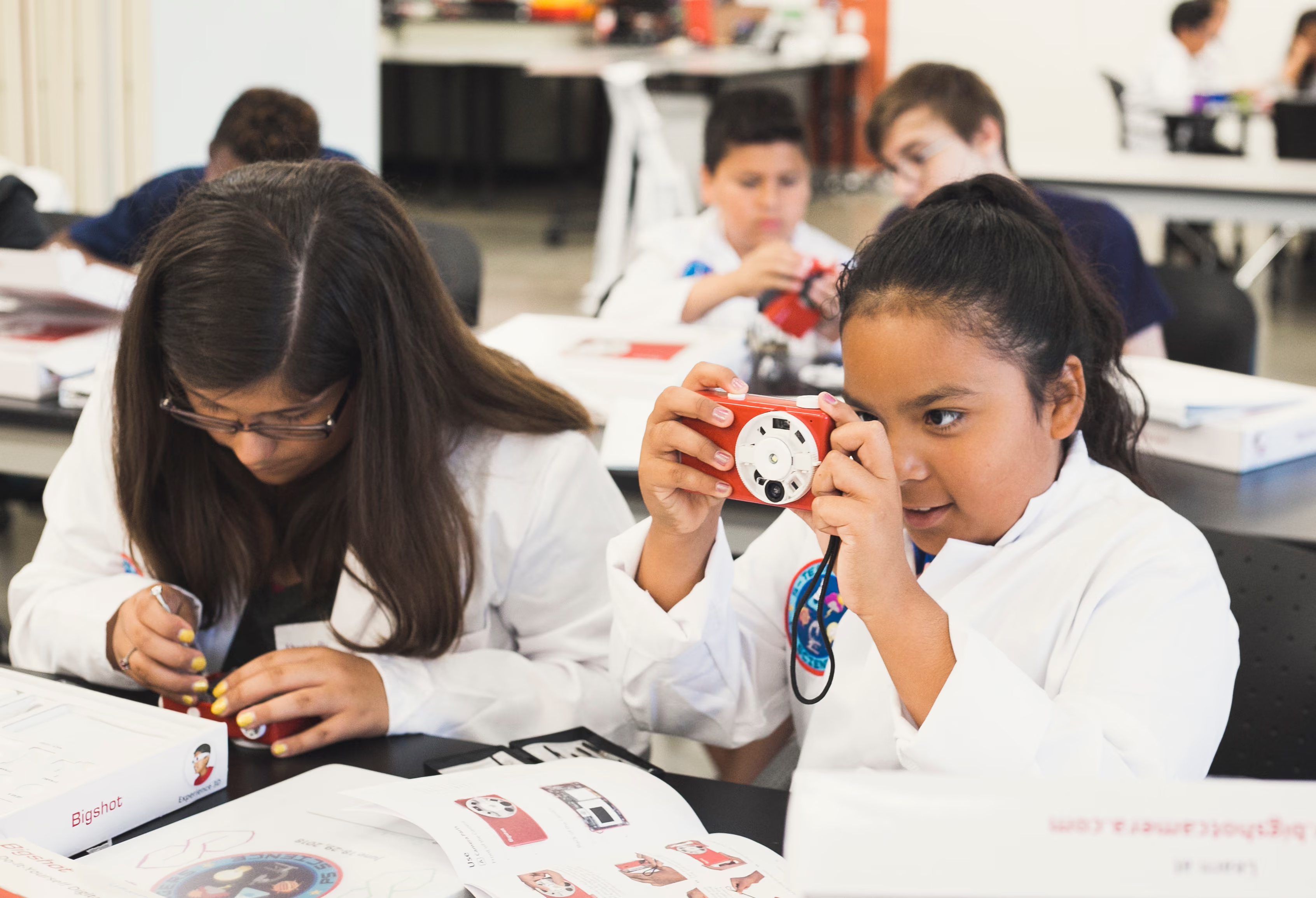
Through its STEM Outreach Programs, Society for Science is helping to transform classrooms across the country.
SN Learning in 2025: 5,860 schools and counting!
Science News Learning Survey Results
How AI is helping some educators teach science and research
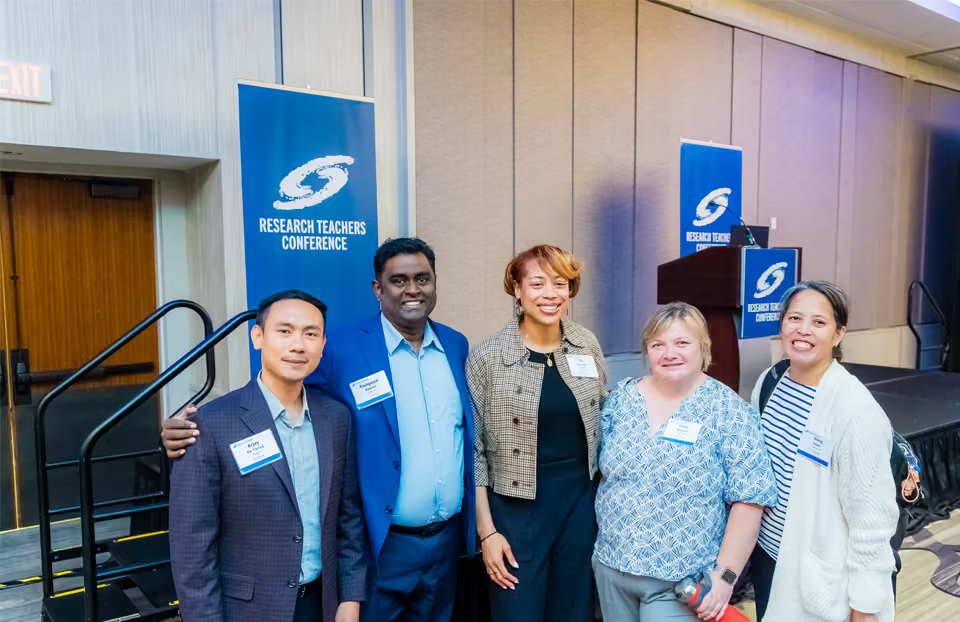
At the Research Teachers Conferences, 200 educators from around the country met with their peers in breakout sessions covering a wide range of timely topics, including how generative artificial intelligence can support the research process.

Alumni Community
Read some highlights from the community of over 80,000 alumni of Society competitions.
Conversations with Maya
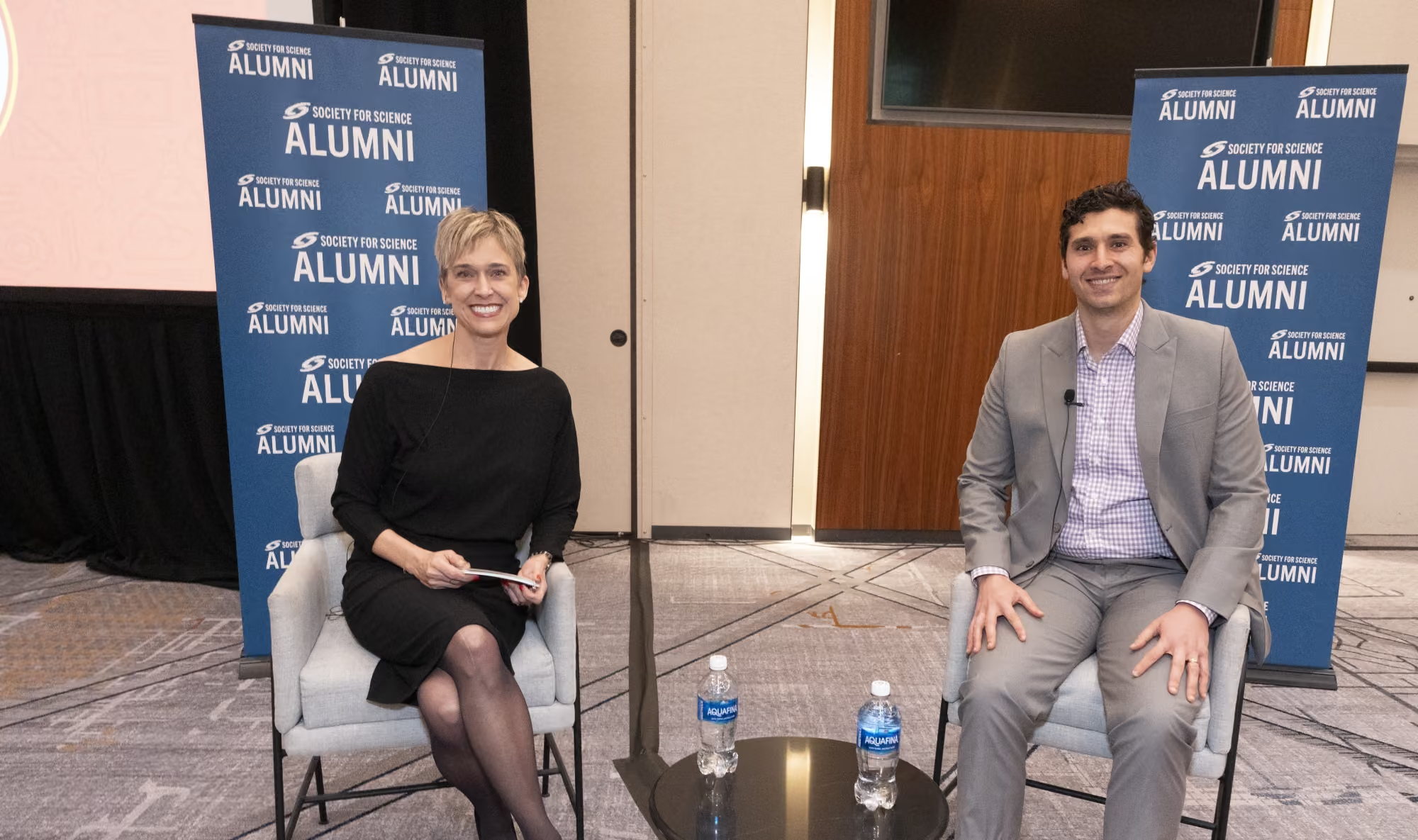
Over the course of the year, the Society’s President & CEO, Maya Ajmera, engaged four accomplished alumni in wide-ranging conversations for Science News about their personal story, their life’s work and their advice for young people interested in pursuing careers in the sciences.
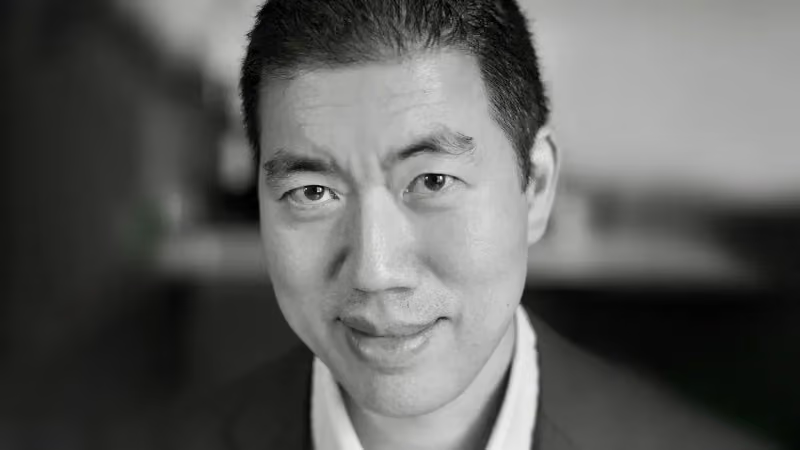
David R. Liu is the Thomas Dudley Cabot Professor of the Natural Sciences at Harvard University, Howard Hughes Medical Institute Investigator and Vice-Chair of the Faculty at the Broad Institute of MIT and Harvard.
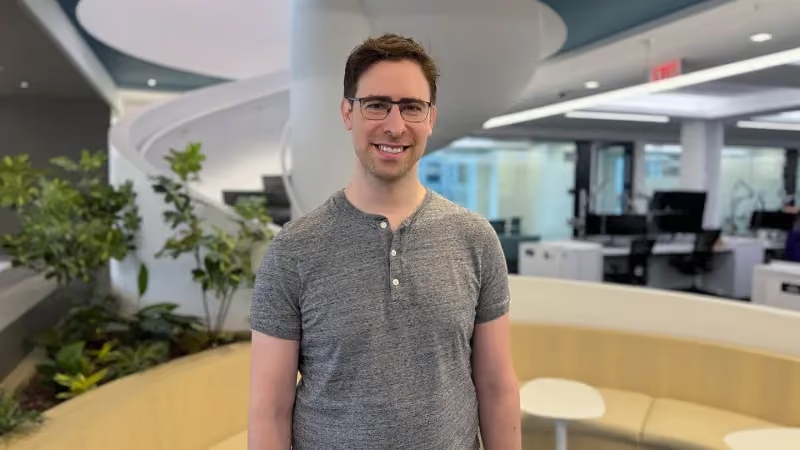
Eric Sporkin is a software engineer at Jane Street, a quantitative trading firm.
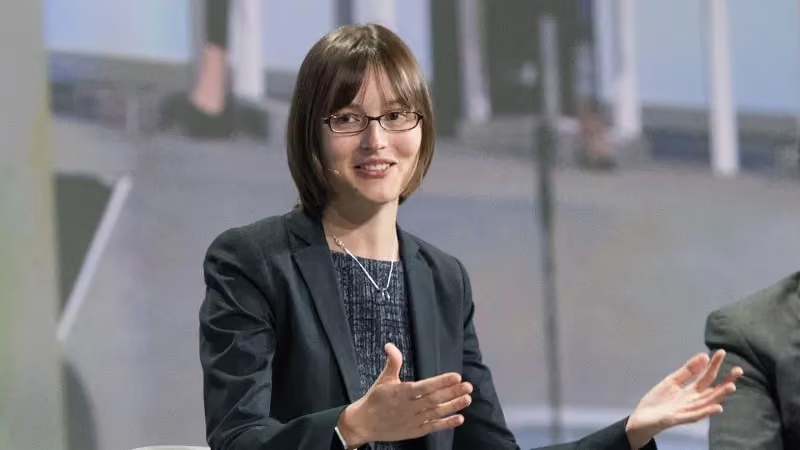
Anna-Katrina Shedletsky is the Founder and CEO of Instrumental, a company that helps other companies optimize their manufacturing process.
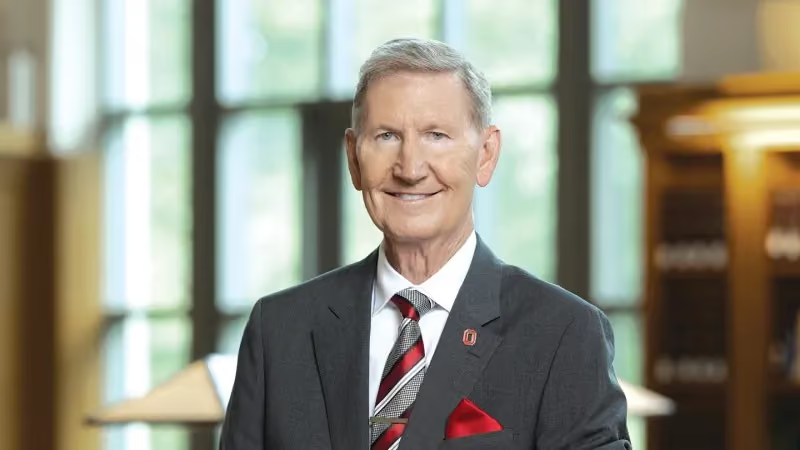
Walter “Ted” Carter Jr. is the President of The Ohio State University.
Signature Symposium
The Summer 2025 Signature Symposium featured Jesse Levinson (ISEF 2000), Co-Founder and CTO of Zoox, in conversation with Maya Ajmera about the possibilities for future travel using AI technology.


Leadership and Staff
Meet the team that makes our work possible.

Looking Ahead with a New Home and Strong Leadership
The spirit of engagement extended to Society for Science’s own community.



Financials
Here's how your support fueled possibility in 2025.
Thanks to the support and generosity of its philanthropic partners, donors, members, volunteers, alumni and educators, Society for Science is in a strong financial position.
In 2025, 80 cents of every dollar donated to Society for Science supported its programmatic work to advance our mission. Our three strategic program areas are science journalism, world-class competitions for middle and high school students, and STEM outreach.
The remaining 20 cents were allocated to general and administrative costs (12 cents) and fundraising (8 cents) of every expense dollar.
How we invested your support in 2025
The Society's overall balance sheet continues to be healthy

The investment portfolio holdings are well diversified and professionally managed in order to take advantage of market growth while minimizing risk of loss.
Restricted assets make up the largest asset class and are mostly grants receivable for future funding commitments from Regeneron and other funders for science competitions and other program work, with all receivables to be provided within the next five years.
Society for Science is committed to responsibly managing its financial resources. Thank you to all of our stakeholders for trusting us to steward your contributions to the greatest need of our programs.

A Bold Future
Taken together, these milestones reflect more than a year of activity.
They represent momentum: the steady, purposeful strengthening of Society for Science’s reach and impact. From our magazines to our programs, from classrooms to competitions, the Society is expanding what is possible for students, educators and readers alike.
By building on possibilities, we are not simply imagining a stronger future for science. Society for Science is actively building that future — deliberately, persistently and together with you.
Celebrating the generosity behind our progress
Behind every young scientist is a community that believes in them. We are proud to recognize the donors whose partnership fuels a future of scientific excellence.
Be part of the future of science
A tax-deductible donation to Society for Science is one of the most powerful ways to help shape a world that elevates ideas from all people to benefit our shared global future: a future with more young people exploring the world of science, contributing to scientific innovation and opening the doors for those individuals to become the next generation of leaders, innovators and entrepreneurs.